Self Knowledge Font: A Creative Script for Bold Branding
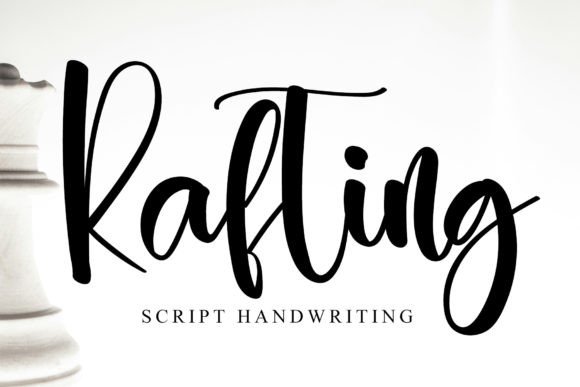
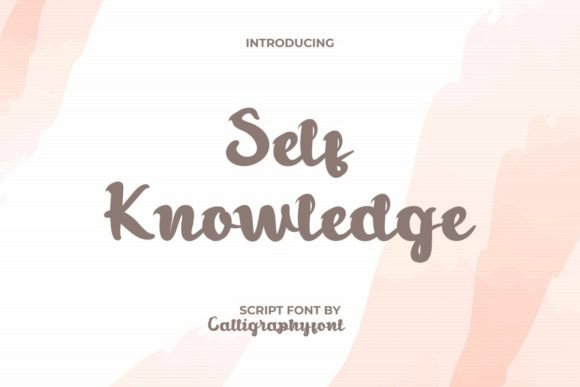
Finding a typeface that balances personality with professionalism is a constant challenge in design. Too often, fonts feel either overly generic or so stylized they become illegible. The Self Knowledge font occupies a compelling middle ground. It is a thick handwritten script font with a distinct, confident character, designed to make a statement without sacrificing clarity. Its defining feature is a robust brush stroke, giving each letter a substantial, grounded presence. This isn't a delicate, wispy script; it carries weight and intention.
What truly sets Self Knowledge apart are the unique curls and flourishes integrated into its letterforms. These aren't random decorations. They are consistent, thoughtful details that add a touch of organic elegance and movement. Imagine the gentle loop on a lowercase 'l' or the graceful sweep of a capital 'S'. These characteristics give the font a beautiful, human touch, making it feel crafted rather than generated. It speaks to a modern aesthetic that values authenticity and artistic expression, fitting perfectly within contemporary modern typography trends that favor expressive script fonts.
Where This Creative Font Truly Shines
The strength of Self Knowledge lies in its versatility as a display font. It’s engineered to draw the eye, making it ideal for applications where first impressions matter. Think of logo design for boutique brands, artisan products, or personal blogs. The font's handwritten quality injects warmth and approachability, while its thickness ensures it remains legible even at smaller sizes—a common pitfall for many script typefaces. For a coffee roaster's label or a handmade cosmetics brand, it conveys authenticity and care.
Beyond logos, this premium font excels in packaging design. Its bold strokes can stand out on a crowded shelf, and the decorative curls add a layer of sophistication that elevates a product's perceived value. It’s equally effective in editorial design for magazine covers or chapter headings, where a touch of personality is needed. In the digital realm, it serves as a powerful tool for social media graphics and website headers, instantly setting a brand's tone. A wedding invitation, a motivational quote poster, or the title screen for a video—these are all domains where Self Knowledge can transform ordinary text into a compelling visual element.
Making Smart Design Choices with Self Knowledge
Using a strong handwritten font effectively requires thoughtful implementation. Self Knowledge is not intended for body copy. Its role is in headlines, logos, and pull quotes. For longer text, pairing it with a clean, neutral sans serif font or a classic serif font is essential. This creates a clear visual hierarchy, guiding the reader's eye naturally. A pairing with a geometric sans serif, for instance, lets the script's personality shine without overwhelming the composition. This practice of font pairing is fundamental to professional web design and print layouts.
When evaluating if Self Knowledge fits your project, consider your brand's voice. Is it creative, personal, approachable, or artisanal? If yes, it’s a strong candidate. Always test the font in context. View it at the actual size it will be used, on both light and dark backgrounds. Check the legibility of individual letters and word shapes, especially in your brand name or key headline. Reviewing the full character set is also wise; a robust creative font will include a good range of punctuation, numerals, and perhaps even stylistic alternates to expand your design options.
Finally, practicalities matter. As a commercial font, ensure the licensing aligns with your intended use—whether for a single client project, multiple products, or across digital and print media. Investing in a high-quality typeface like this is an investment in your brand identity. It becomes one of your core design assets, contributing to consistency and recognition across every touchpoint. Used strategically, Self Knowledge doesn't just present words; it communicates a feeling, builds a mood, and helps forge a memorable connection with your audience. It’s a tool for designers who want their work to speak with clarity and character.